Plastic and microplastic pollution
January 23, 2026
Every year, up to 12.7 million tons of plastic are dumped into the oceans, forming the “plastic continent” in the Pacific. This waste breaks down into microplastics, which enter the marine food chain and are ingested by many species. Each human being ingests an average of about 5 grams of plastic per week, equivalent to the weight of a credit card.
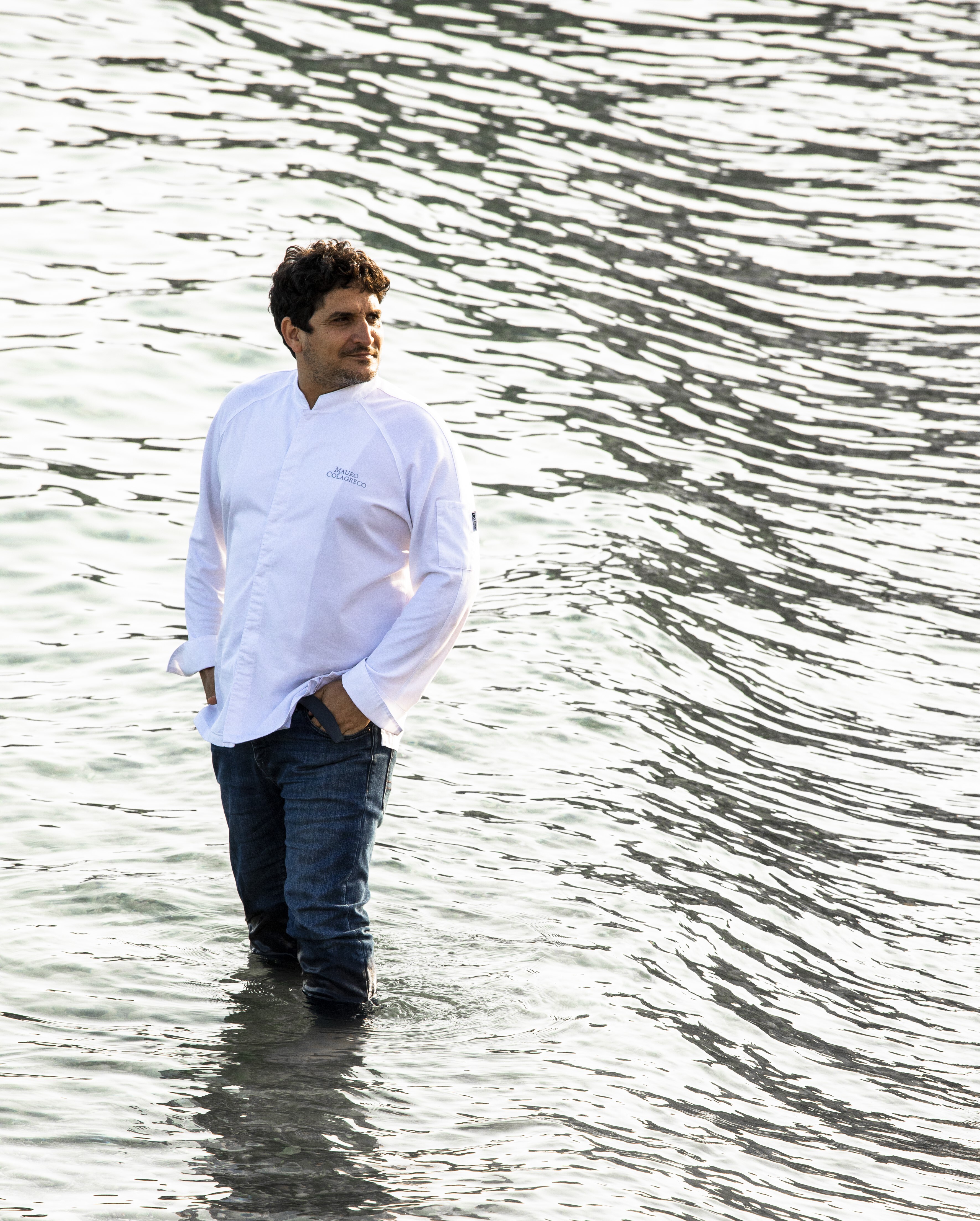
During a trip to Mexico, Mauro Colagreco discovered a beach littered with plastic waste: this realization prompted him to reduce the use of plastic in his establishments.
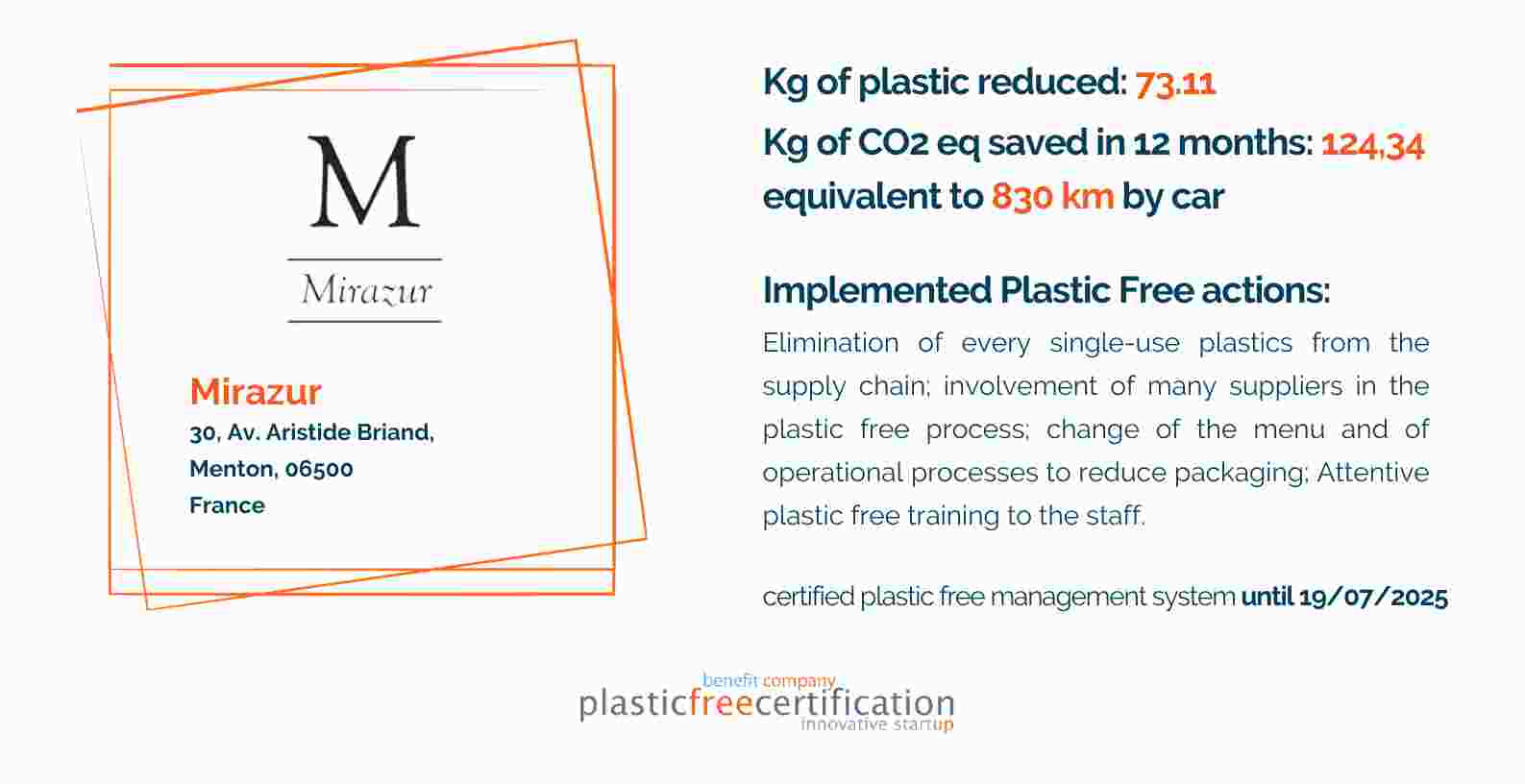
In 2020, after three years of work analyzing, eliminating, and replacing plastics, involving suppliers as well, Mirazur became the first restaurant in the world to be certified “plastic-free,” marking a strong commitment to a sustainable model:
* Elimination of 10,000 km of cling film per year
* 90% reduction in nitrile gloves
* 90% reduction in disinfectant products thanks to the use of ozone water treatment
* Total elimination of vacuum bags and pastry bags, which are now reusable
* 75% reduction in trash bags, with a switch to plant-based bags for the remainder
The fight against plastic pollution is a major challenge for the preservation of marine ecosystems and human health. Initiatives such as those undertaken by Mirazur show that concrete solutions exist and that it is possible, both locally and globally, to drastically reduce our plastic footprint.
Every year, Chef Mauro Colagreco's teams take part in plastic waste collection initiatives, notably in Menton on World Oceans Day with the Stand Up for the Planet association. These initiatives, such as “5 grams by Mauro Colagreco,” are also extended internationally during Mirazur Beyond Borders events.
To learn more about plastic-free certification, visit plasticfreecertification.org.